Theatrical installation - Control - Violence - Historical Memory

On August 21, 1939, my grandfather (a non-commissioned officer in the German Wehrmacht) was awarded the Medal Commemorating October 1, 1938, in Munich. In Germany, this medal is classified as anti-constitutional propaganda. Its manufacture, public display, or distribution is prohibited under Section 86a of the German Criminal Code (StGB). The expansionist achievement of incorporating the Sudetenland—an area predominantly inhabited by Germans—into the German Reich, which was solemnly designated as “reunification” in accordance with National Socialist policy, was to be commemorated with a medal.
Is this Yellow-wall-installation a confrontational therapy with the past by creating a digital photo series with a performance element now that I am studying fine art in Prague? Or a cynical statement if we really do things differently nowadays?
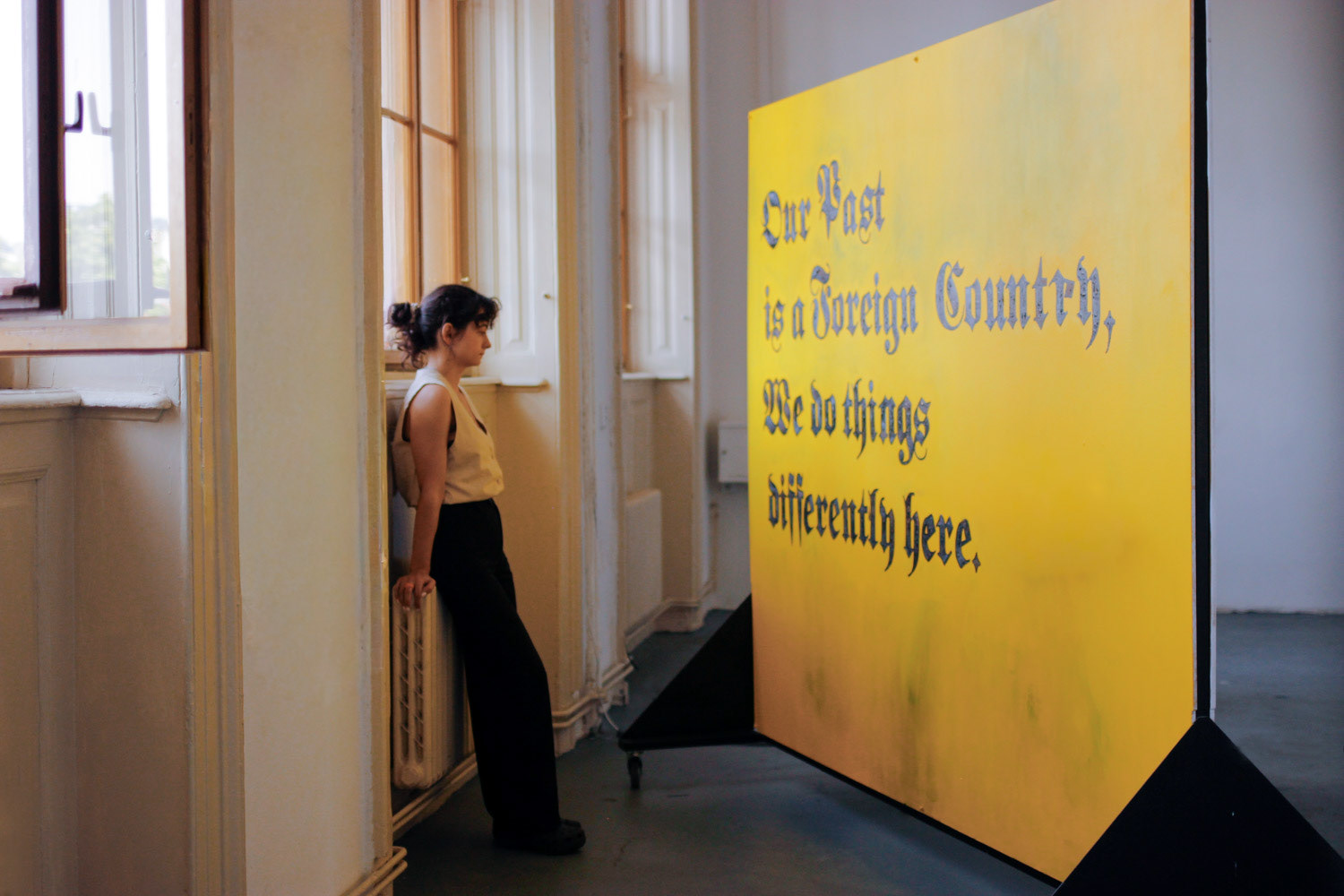
Yellow Wall installation (Fraktur Font, Acrylics, Oil paint), 205 x 290cm
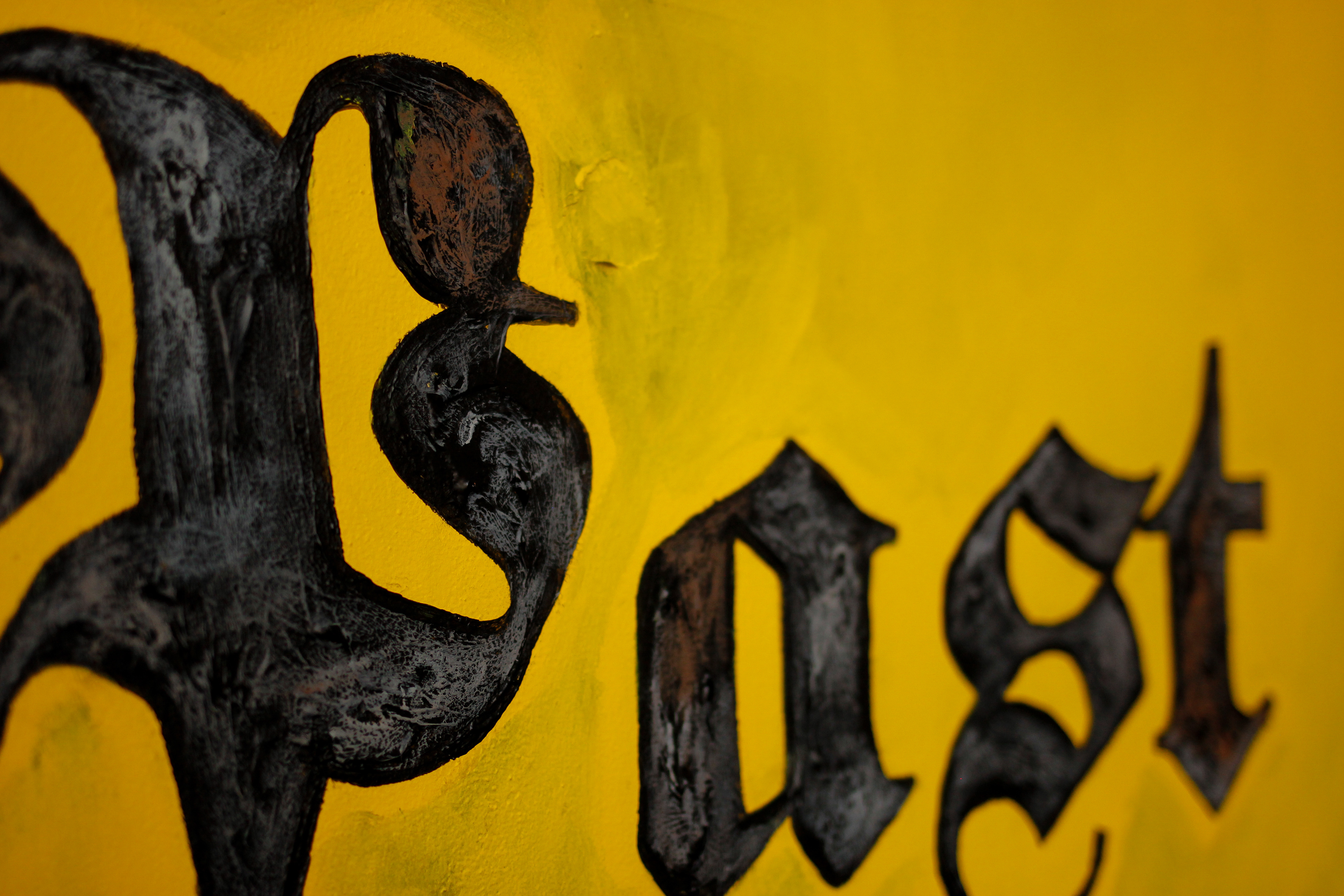
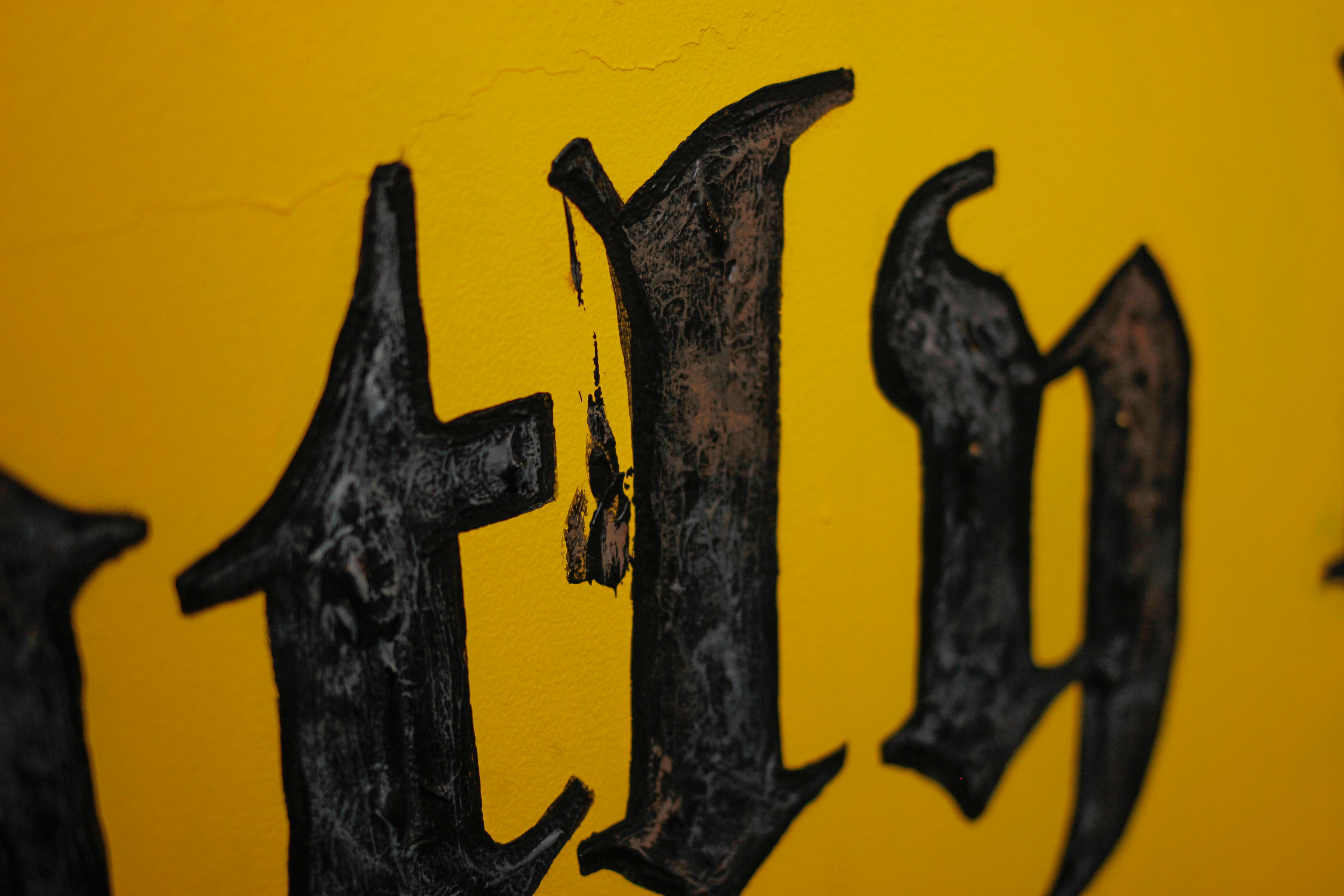
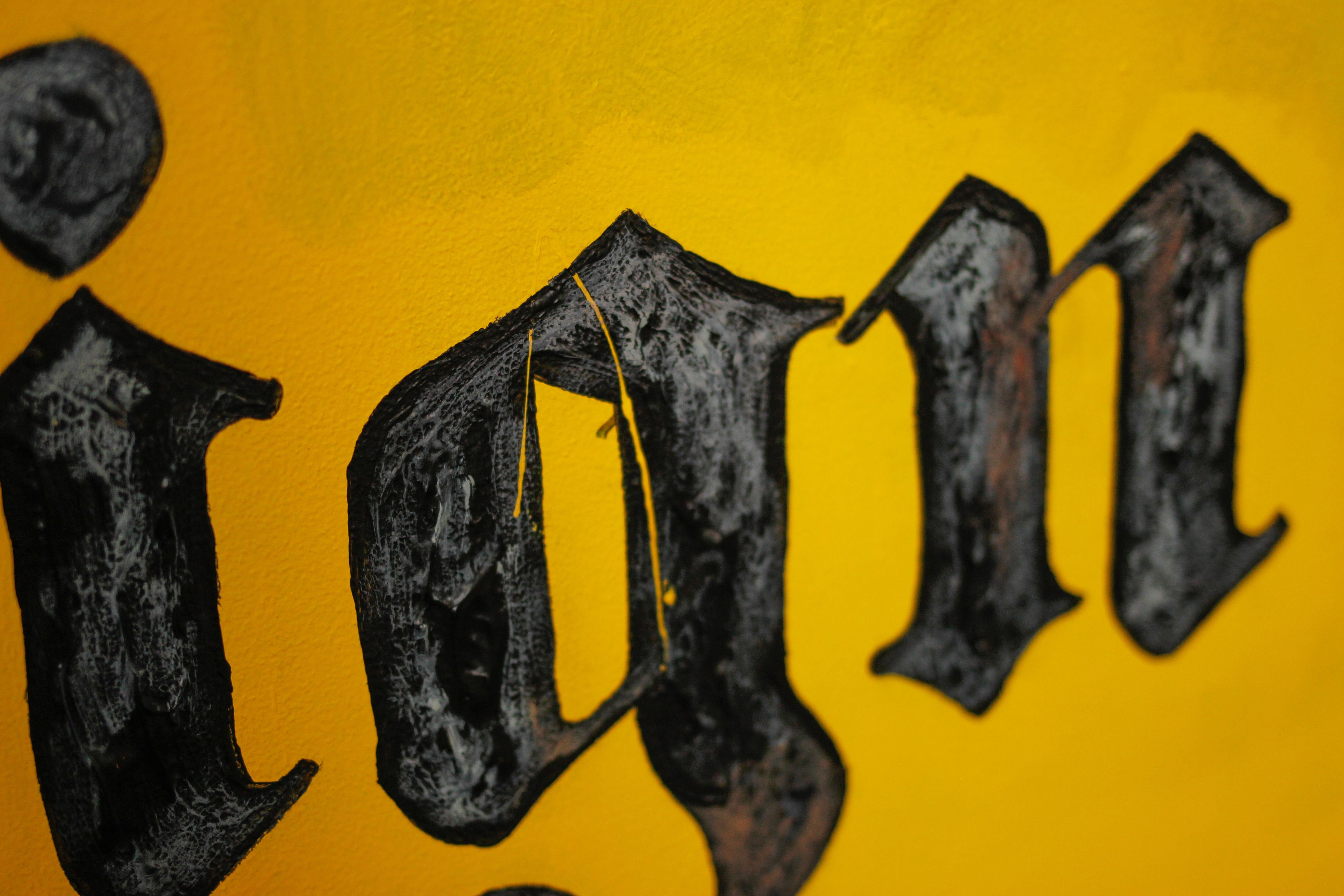
After the war, my grandfather became a police officer in Bavaria. A few years ago, I discovered his old police cap and boots in our basement and began working with them in a performative way alongside my twin sister. In this context, the flag symbolizes postwar Germany (BRD), linked to the question of what we have actually learned. The quote “Our Past is a Foreign Country, We do things differently here” is a variation on the quote from L.P. Hartley’s book *The In-between* (1953): “The past is a foreign country, they do things differently there.” It strikes me as a fitting quote for German remembrance culture, which praises itself as the world champion of remembrance, yet has recently faced significant criticism and is described in critical contemporary discourse as “reconciliation theater” (for example, by sociologist Michael Bodemann).
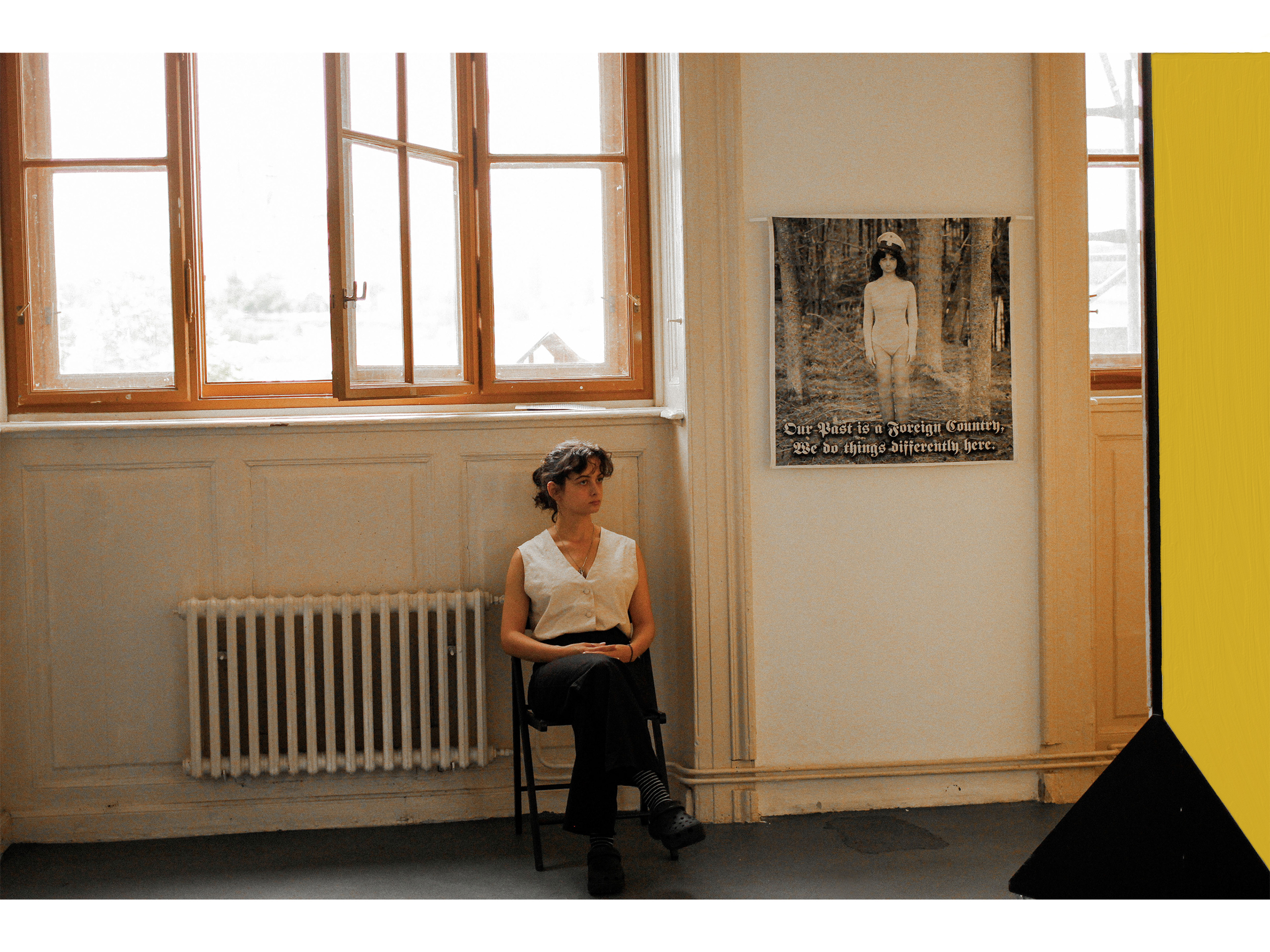
Flag (Textile print on White linen), 80 x 80cm
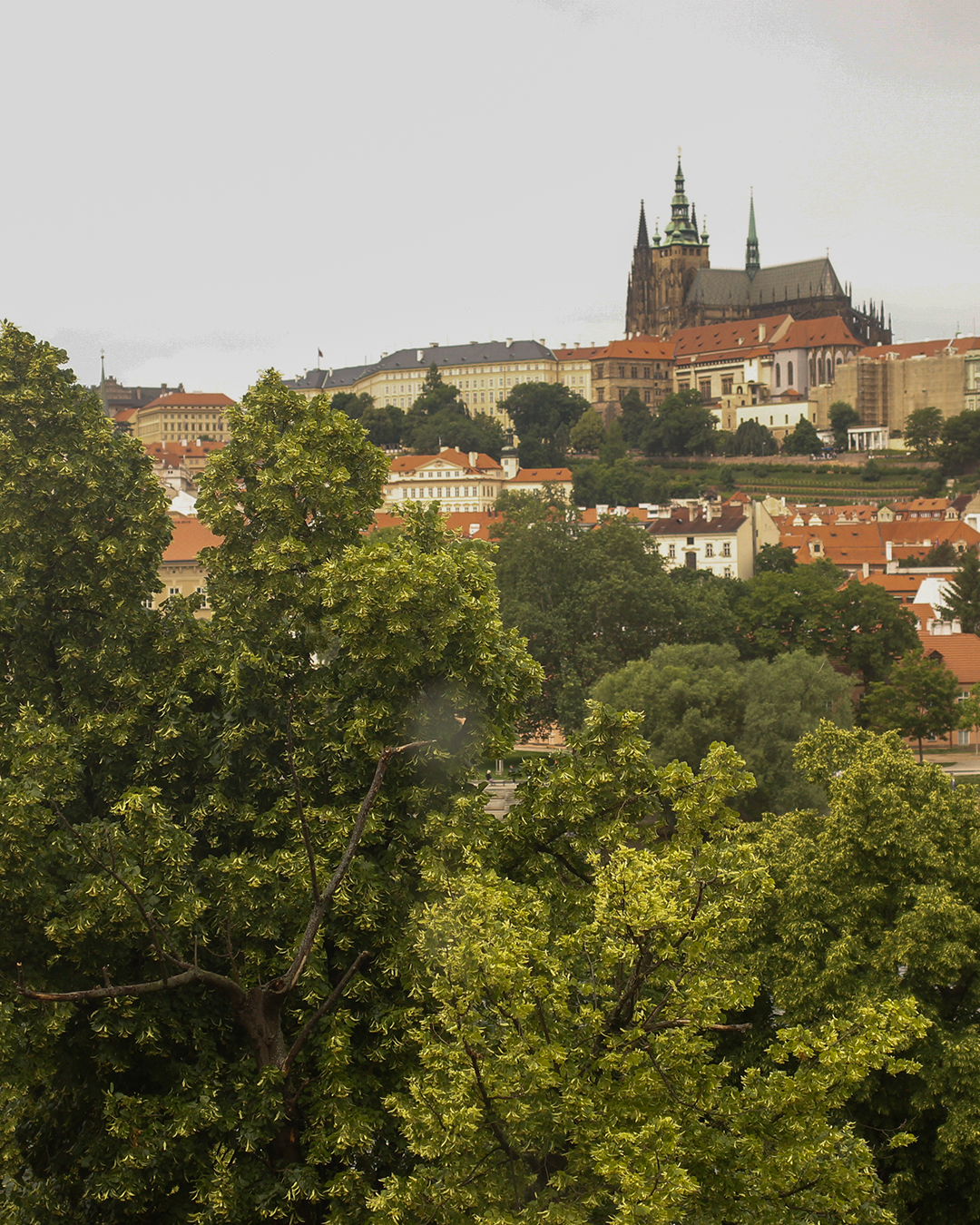
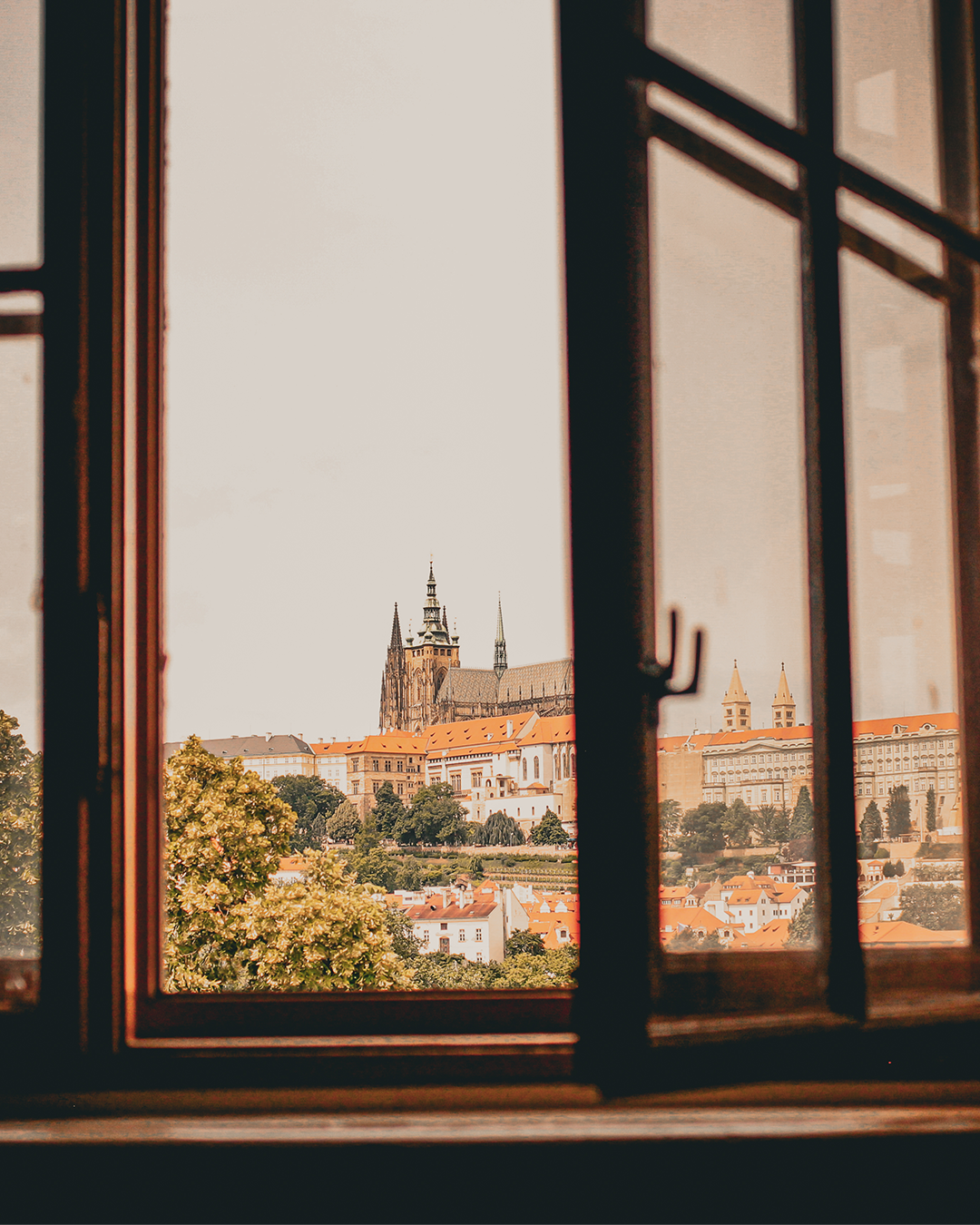
End-of-year project installed at Academy of Arts, Architecture & Design (UMPRUM) in Prague (2025)