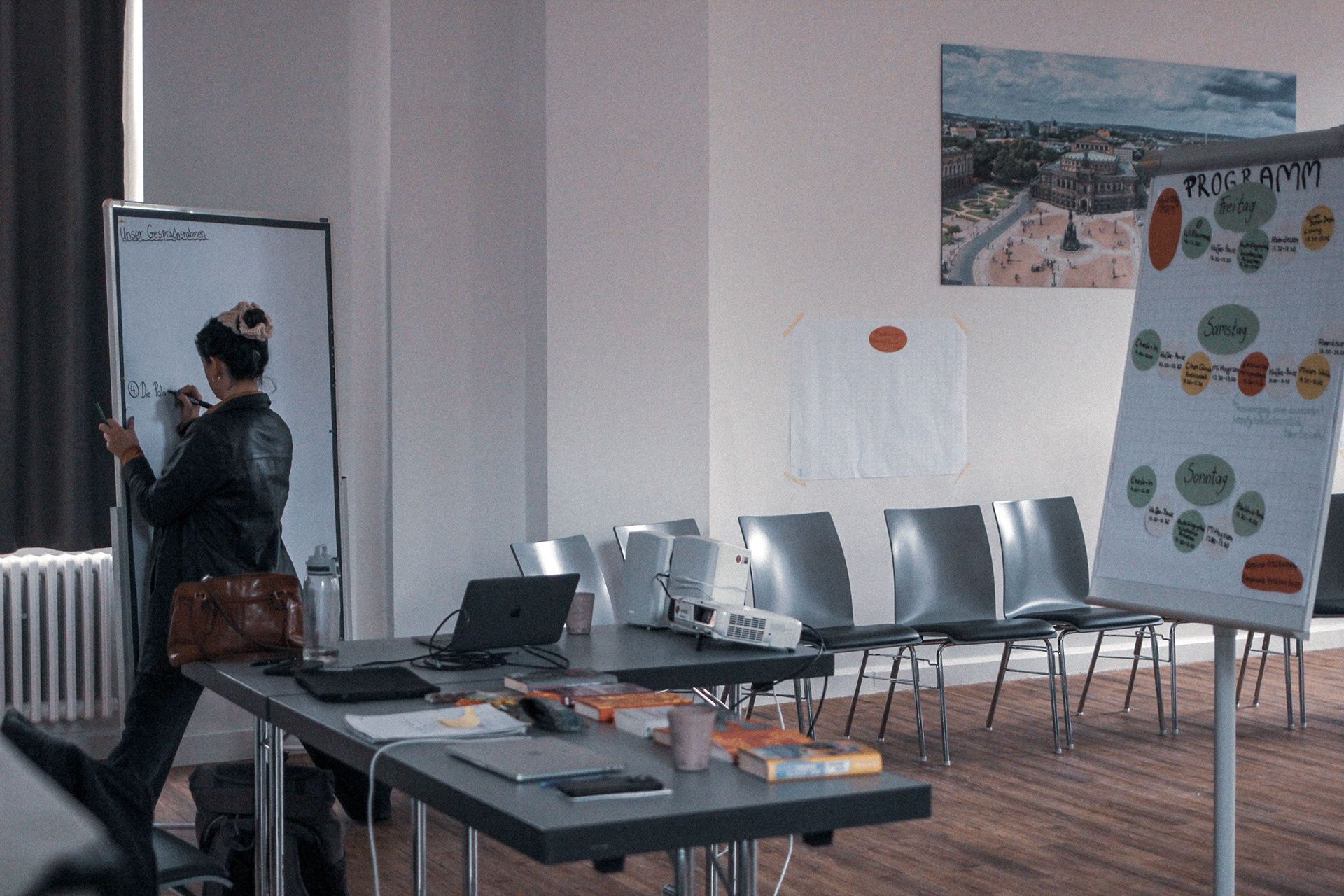
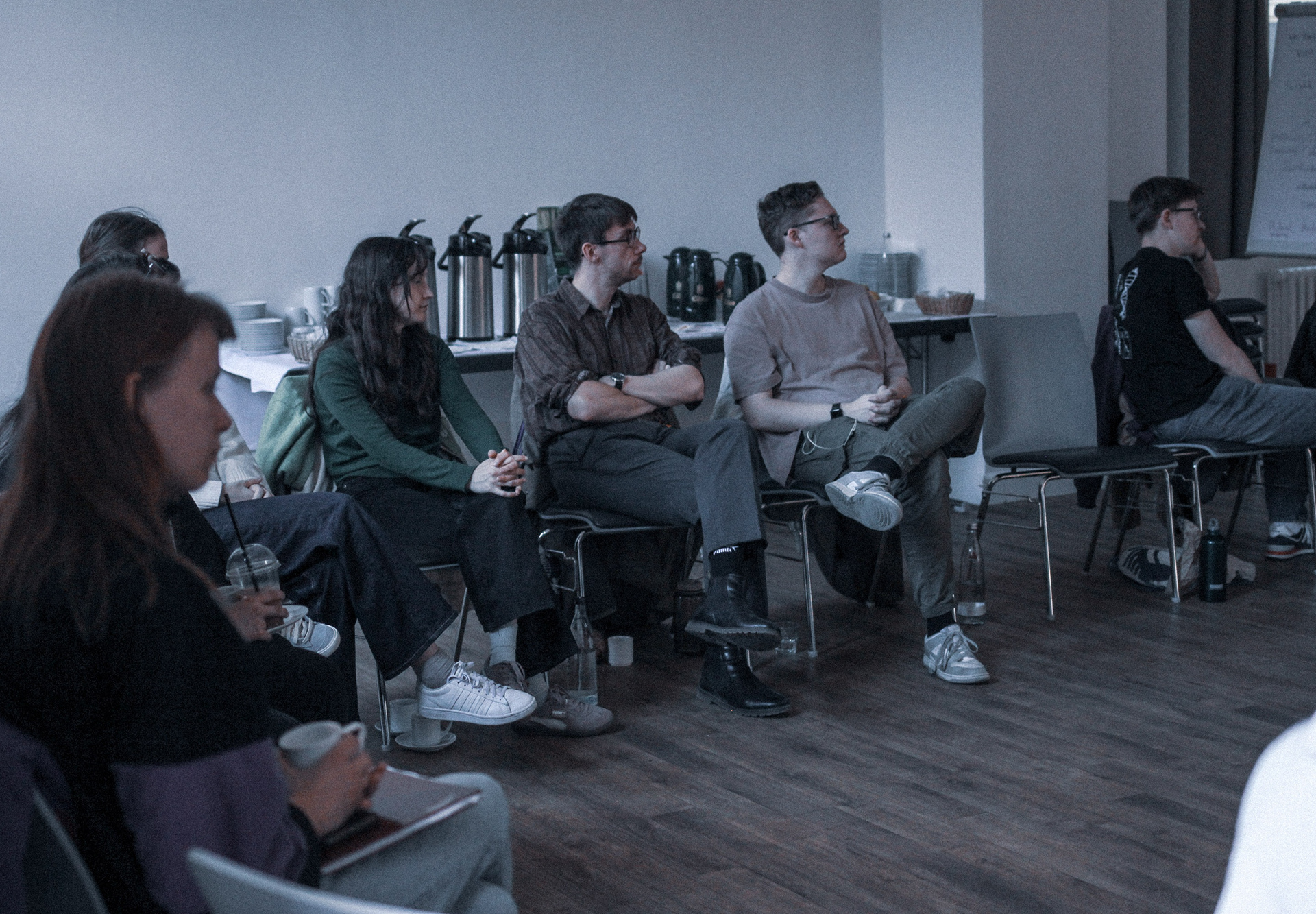
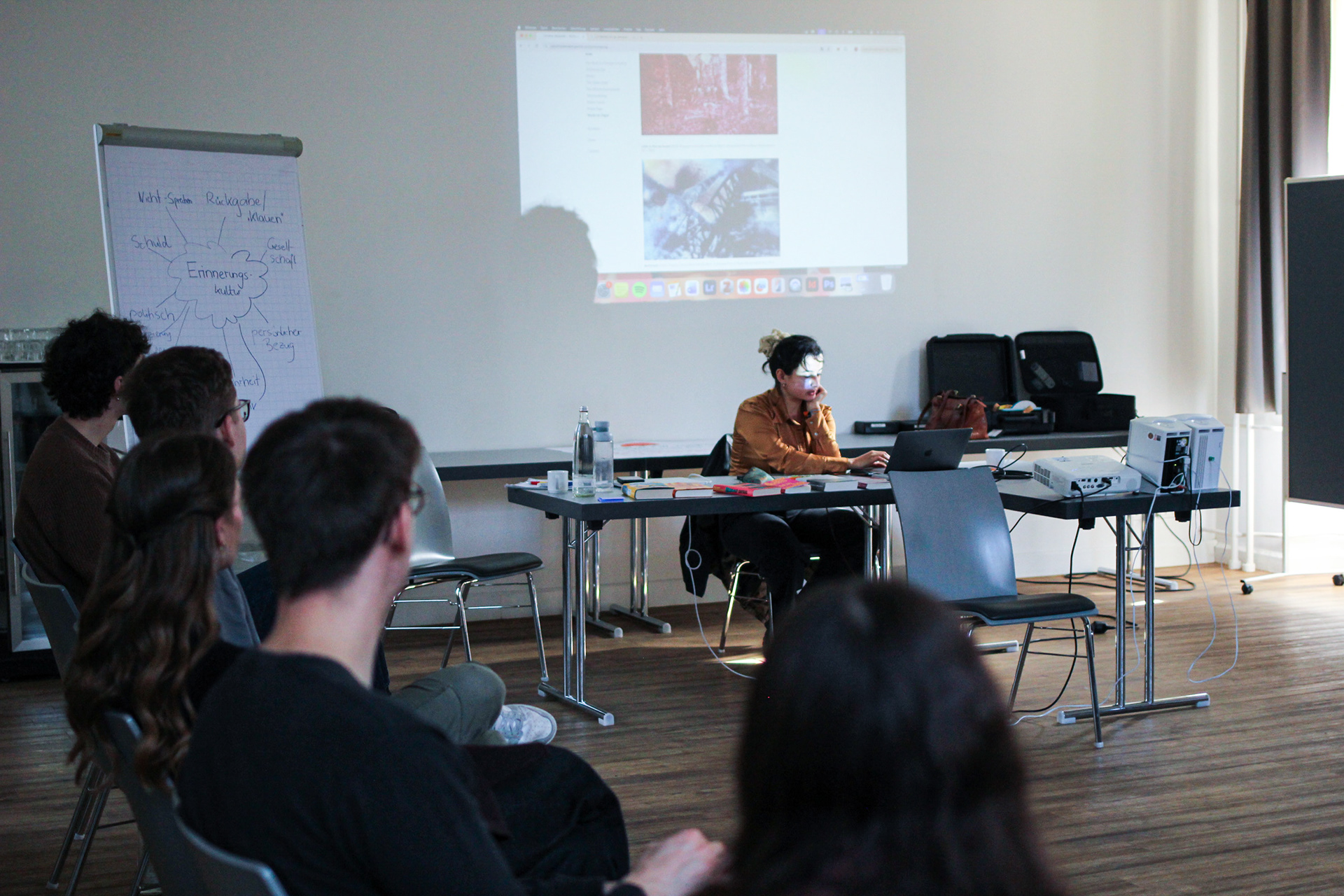
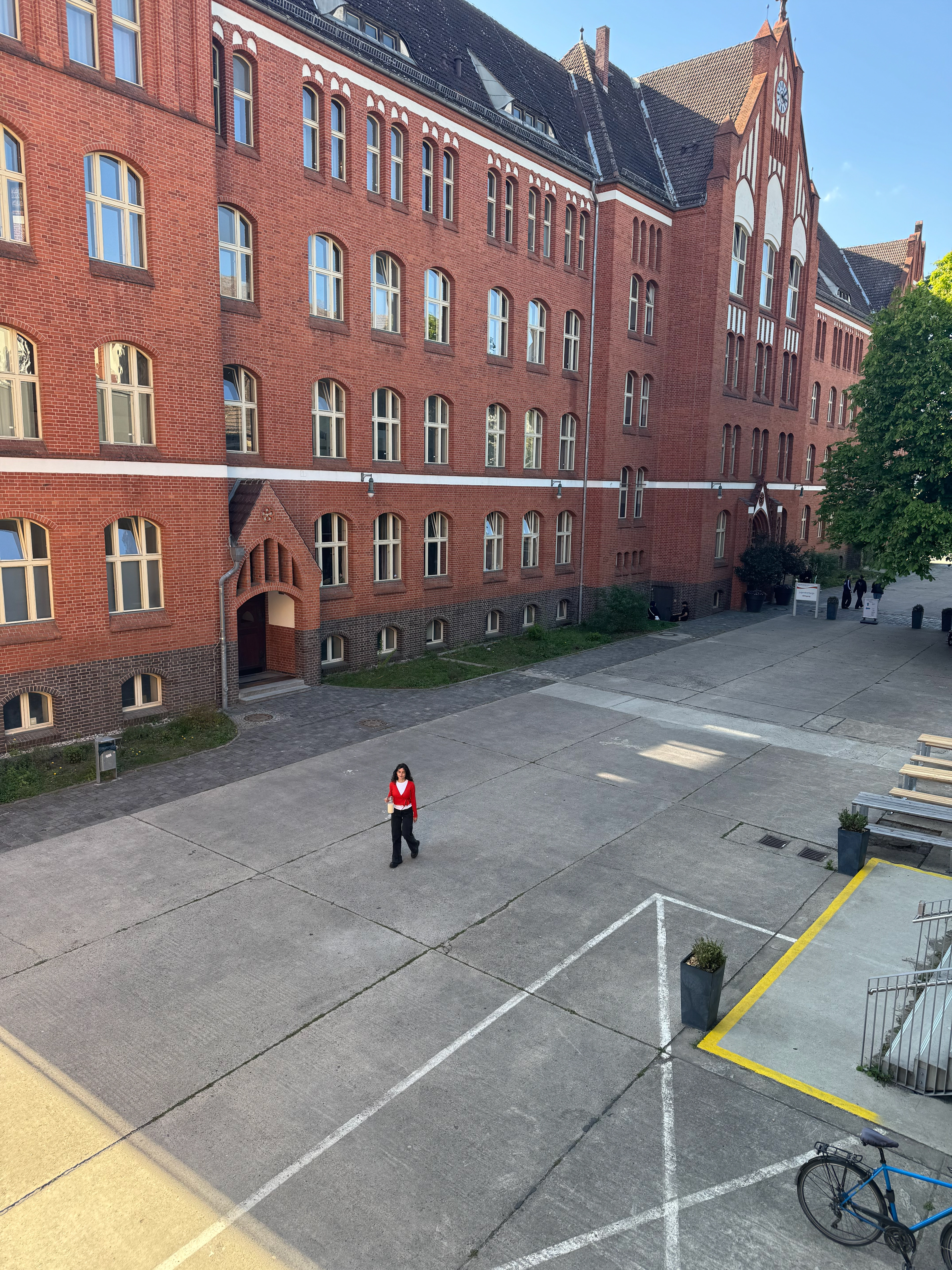
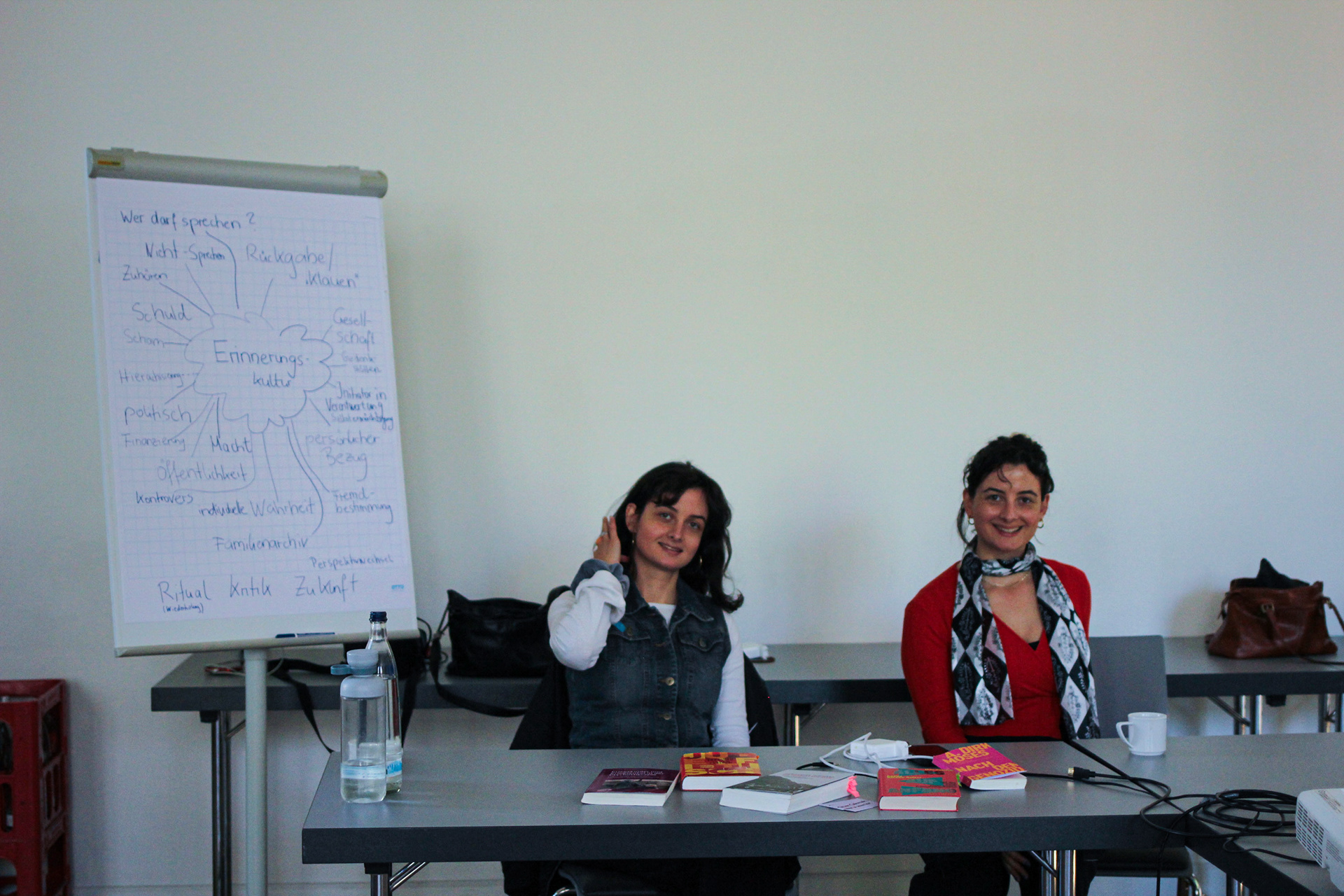
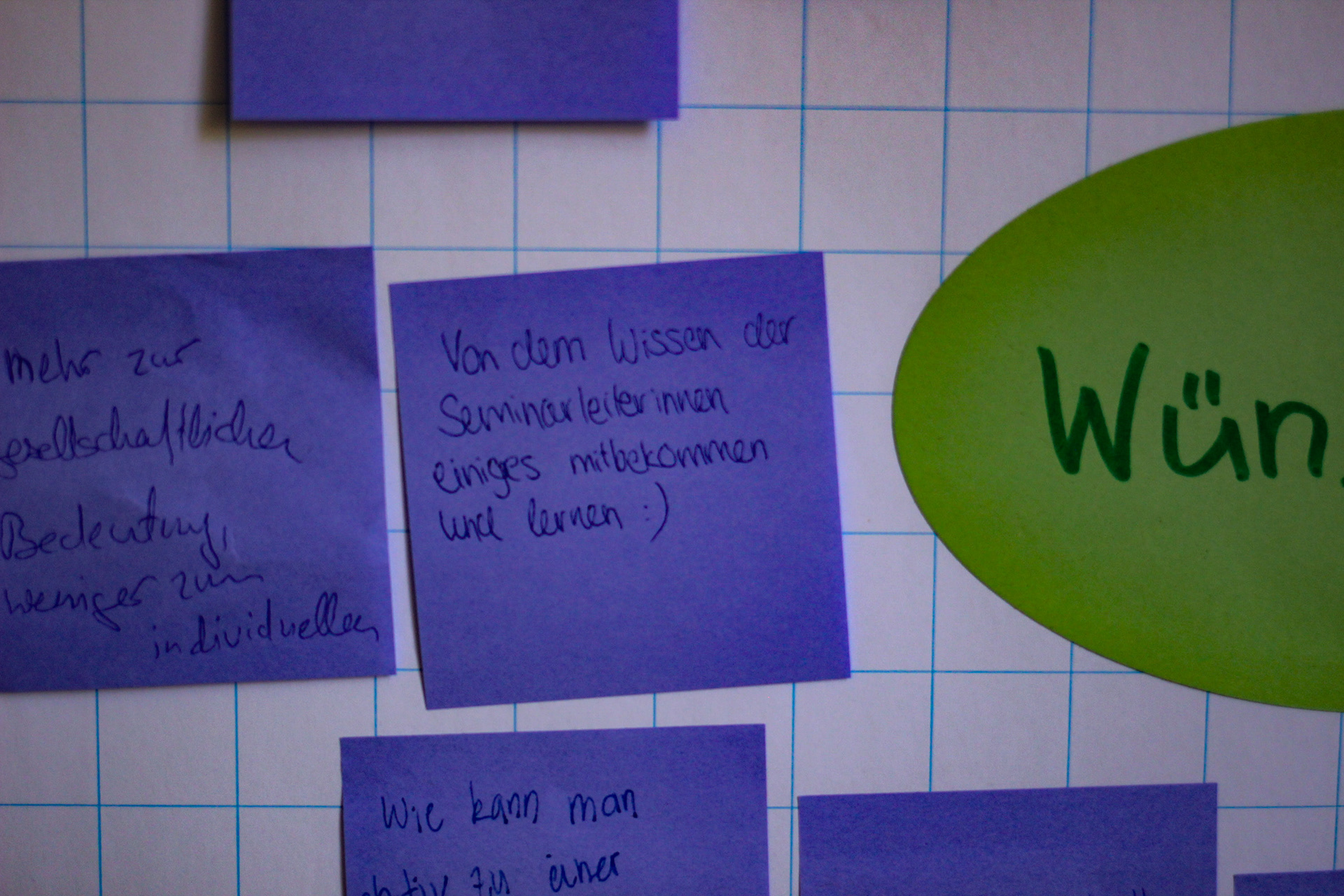
Here are a few moments from the three-day workshop “Remembering, Telling, Concealing - German Culture of Remembrance between Ritual, Criticism, and the Future”, which I led last weekend together with my twin sister Stephanie Bergwinkl as part of a seminar organized by the Friedrich-Ebert-Stiftung in Berlin.
We worked with autobiographical approaches, family archives, and artistic practices of remembrance — engaging with questions of identity, belonging, and the relationship between past and present.
How do personal stories shape collective narratives? What role can art play in engaging with memory culture? And how can different experiences of memory be brought into dialogue?
Stephanie and I shared our ongoing artistic work on our own family archive from Bavaria, which we began two years ago. We are interested in how personal narratives can open up new ways of reflecting on established forms of German memory culture.
We invited author Tomer Dotan-Dreyfus to read from his recent book “Keinheimisch: Childhood in Israel, Life in Germany” (2025), which explores questions of identity, language, and belonging across different contexts.
We also worked with artist Cihan Çakmak, whose photographic practice engages with family history and questions of origin, as well as with artist and researcher Miriam Schickler's audio walk “Geteilte Welten” (Divided Worlds) in Berlin’s Tiergarten, which reflects on layered histories in urban space.
We are very grateful to everyone who participated with such openness and curiosity, and to the Friedrich-Ebert-Stiftung for making this seminar possible.
We worked with autobiographical approaches, family archives, and artistic practices of remembrance — engaging with questions of identity, belonging, and the relationship between past and present.
How do personal stories shape collective narratives? What role can art play in engaging with memory culture? And how can different experiences of memory be brought into dialogue?
Stephanie and I shared our ongoing artistic work on our own family archive from Bavaria, which we began two years ago. We are interested in how personal narratives can open up new ways of reflecting on established forms of German memory culture.
We invited author Tomer Dotan-Dreyfus to read from his recent book “Keinheimisch: Childhood in Israel, Life in Germany” (2025), which explores questions of identity, language, and belonging across different contexts.
We also worked with artist Cihan Çakmak, whose photographic practice engages with family history and questions of origin, as well as with artist and researcher Miriam Schickler's audio walk “Geteilte Welten” (Divided Worlds) in Berlin’s Tiergarten, which reflects on layered histories in urban space.
We are very grateful to everyone who participated with such openness and curiosity, and to the Friedrich-Ebert-Stiftung for making this seminar possible.
Photos by Stephanie Bergwinkl and participants.